The Definitive Guide to the Best Time for Parasailing Bali
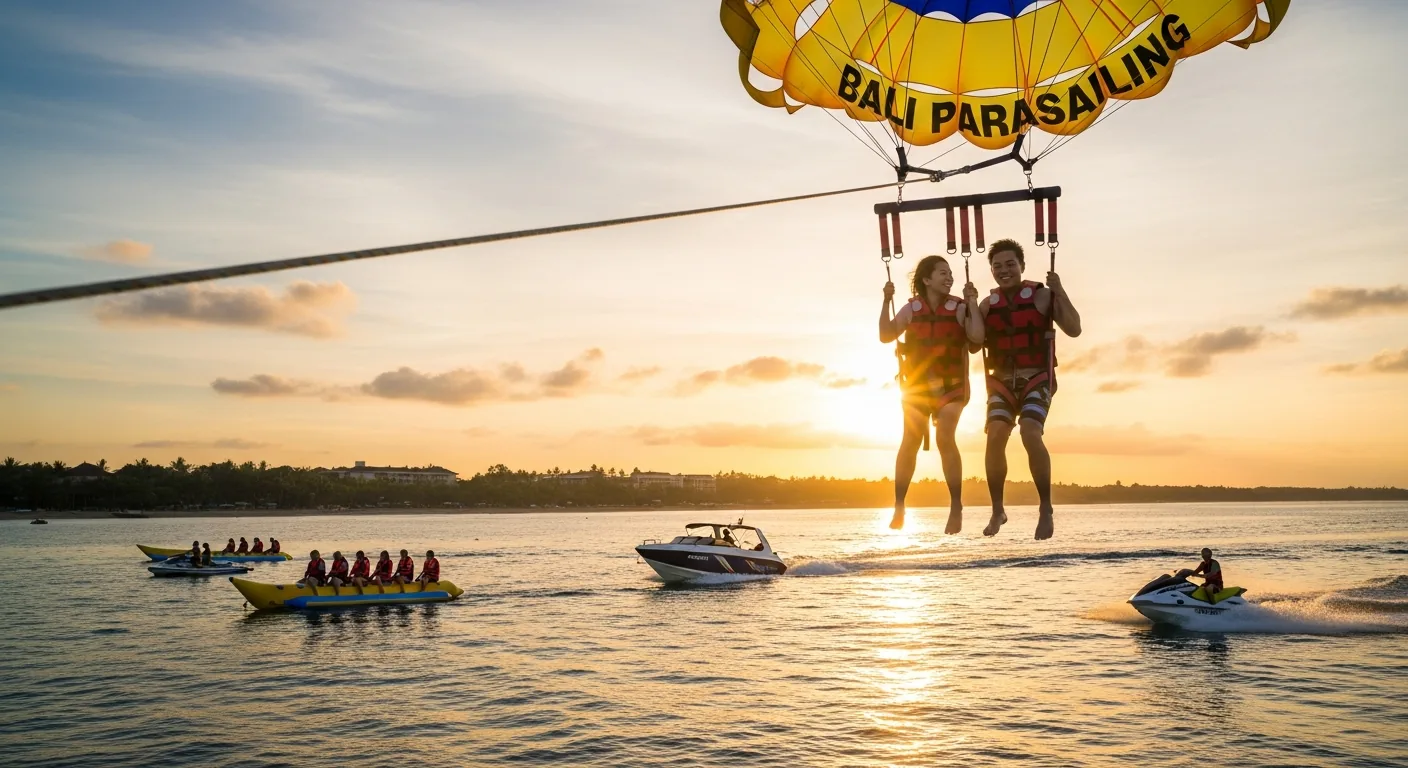
The air is thick with the scent of salt and clove cigarettes. Below, the turquoise water of the Bali Sea laps against the white sand of Tanjung Benoa beach. The winch on the speedboat groans, a sound of pure mechanical potential, as the crew gives a final check of your harness. You exchange a glance with your partner, a shared moment of nervous energy and anticipation. Then, the boat surges forward. The resistance is immediate as the canopy—a vibrant splash of color against the deep blue sky—catches the wind. Your feet lift from the deck, and the world unfurls beneath you. The roar of the engine fades to a whisper, replaced by the serene rush of wind. In the distance, the volcanic peak of Mount Agung, standing at 3,142 meters, pierces the horizon. This is not just a view; it is a perspective shift, a moment suspended between sea and sky. But achieving this perfect flight is less about luck and more about a precise understanding of the island’s natural rhythms. See also: see Parasailing Bali Adventures’s About.
Why Timing is Everything at Tanjung Benoa
Securing a flawless tandem flight is a sophisticated dance with nature. Unlike a jet ski rental or a banana boat ride, parasailing is entirely dependent on a confluence of meteorological and tidal conditions. The professionals at the Tanjung Benoa Water Sports Center do not leave this to chance. A flight that is cut short by a sudden squall, or one that struggles to gain altitude in weak winds, is not the standard here. Understanding the variables isn’t just for operators; it empowers you to plan for the most rewarding and secure bali water sport adventure.
The three critical elements governing your flight are wind, tide, and season. Each plays a distinct role. The wind provides the lift, the very essence of the flight. The tide dictates the operational space, affecting the safety of takeoffs and landings from the boat. The season, meanwhile, sets the background conditions, influencing everything from wind consistency to the clarity of the water you are soaring above. A miscalculation in any of these areas can lead to delays, cancellations, or a subpar flight. This guide is designed to demystify these forces, providing you with the knowledge to book your parasailing Nusa Dua experience with the confidence of a seasoned local.
Decoding the Winds: Your Key to a Smooth Ascent
Wind is the invisible engine of your parasailing flight. It is the single most important factor determining whether operations can proceed safely. At Parasailing Bali Adventures, our operators are masters of reading the subtle shifts in the air currents moving through the Bali Strait. For the guest, knowing the basics can transform your planning process.
The ideal wind speed for tandem parasailing is a consistent breeze between 5 and 15 knots (approximately 9 to 28 kilometers per hour). Below 5 knots, the canopy may struggle to inflate properly and achieve the necessary lift, resulting in a low, sluggish flight. Above 15-18 knots, conditions become turbulent and unpredictable, posing a safety risk that will ground all flights. Our team uses anemometers to get precise, real-time readings, but a good visual indicator is the presence of small whitecaps on the water and a steady rustle in the palm trees along the shore. See also: explore Contact.
Wind Direction and Quality
It’s not just about speed; direction is paramount. An onshore wind, blowing from the sea toward the land, is the most favorable condition. It provides a stable, clean lift and ensures that in the unlikely event of a line issue, the canopy would drift toward the shore. Offshore winds, blowing from the land out to sea, can be gusty and are generally less suitable. The topography of the Benoa peninsula, a thin strip of land protecting a calm bay, creates a uniquely favorable environment for water sports, but our operators remain vigilant about these directional shifts. See also: Home pricing.
The best winds are typically found from late morning to mid-afternoon. The early morning can be exceptionally calm, sometimes too calm. As the land heats up faster than the sea during the day, it creates a reliable sea breeze—a perfect, natural engine for tanjung benoa parasailing. This thermal effect tends to peak between 11:00 AM and 3:00 PM.
“We don’t fight the wind; we work with it. A guest might see a beautiful, sunny day and wonder why we’re not flying. But I can feel a gust coming from the wrong direction or see a change five kilometers out at sea. Safety and the quality of the flight are non-negotiable.” See also: explore Water Sport Combo.
Riding the Tides: Navigating Nusa Dua’s Waters
While the wind commands the sky, the tide commands the sea. The tidal range around the Benoa peninsula can be dramatic, often exceeding 2.5 meters between high and low tide. This fluctuation directly impacts the safety and feasibility of water sports operations, especially those involving towboats.
High tide is, without question, the optimal time for parasailing. During high tide, the water in the bay is deep, providing ample clearance for the boat’s propeller and ensuring a wide, safe operational area for takeoffs and landings. The boat can maneuver freely, positioning itself perfectly to catch the best wind currents. The water color is also at its most vibrant during high tide, a brilliant spectrum of blue and green that enhances the view from above.
Conversely, low tide presents significant challenges. As the water recedes, vast areas of sandbanks and coral reef can become exposed or lie just beneath the surface. This severely restricts the boat’s movement and shrinks the safe operational zone. Launching and retrieving the parasail becomes a complex, and often impossible, task. For this reason, most reputable operators, including Parasailing Bali Adventures, will pause operations during the lowest tides of the day. It is essential to check the local tide charts or, more simply, to trust your operator’s scheduling. We build our daily flight schedules around the tidal patterns to ensure you never have to worry about it.
Tide Comparison for Parasailing
| Condition | High Tide | Low Tide |
|---|---|---|
| Operational Area | Spacious and deep; full bay is accessible. | Restricted; exposed reefs and sandbanks limit boat movement. |
| Safety | High. Ample clearance from underwater obstacles. | Low. Risk of grounding the boat; difficult recovery. |
| Water Clarity & Color | Excellent. Deep, vibrant blues and turquoises. | Reduced. Water can appear murky over shallow areas. |
| Likelihood of Operation | Flights operate as scheduled (wind permitting). | High chance of delays or cancellations. |
Bali’s Seasons: Choosing Your Perfect Parasailing Window
Bali operates on a two-season cycle: dry and wet. Your choice of when to visit the island will have a significant impact on the conditions you can expect for any bali water sport. While parasailing is possible year-round, the experience differs distinctly between these periods.
The Dry Season (April – October)
This is widely regarded as the prime time for a trip to Bali, and for good reason. The dry season is characterized by lower humidity, minimal rainfall, and abundant sunshine. Critically for parasailing, this period is dominated by consistent southeast trade winds, which provide the steady, reliable breezes that are perfect for flight. From June to August, these winds are at their most dependable. The sky is often a vast, uninterrupted blue, offering crystal-clear views of the coastline and, on particularly clear days, the distant silhouette of Java. This is the peak tourist season, especially in July and August, so advance booking is highly recommended.
The Wet Season (November – March)
The wet season, or monsoon season, brings higher humidity, overcast skies, and periods of heavy rainfall. The key challenge for parasailing is not necessarily the rain itself—which often comes in short, intense bursts—but the wind, which becomes less predictable. Winds tend to shift, coming from the west, and can be gusty and accompanied by sudden squalls. That said, the wet season has its own appeal. The island is lush and green, crowds are thinner, and there are still many hours of sunshine between the downpours. Morning sessions are often your best bet during these months, as the rain typically builds up in the afternoon. A successful flight during the wet season can be particularly rewarding, with dramatic cloud formations creating a unique backdrop.
Seasonal Activity Planner
| Factor | Dry Season (April – October) | Wet Season (November – March) |
|---|---|---|
| Wind Consistency | High. Steady southeast trade winds. | Lower. Variable winds, potential for gusts and squalls. |
| Rainfall | Minimal. Mostly dry, sunny days. | Frequent. Short, heavy downpours, mainly in the afternoon. |
| Crowds | High, especially July-August. Booking ahead is essential. | Lower. More flexibility and availability. |
| Best Time of Day | Late morning to mid-afternoon (10 AM – 4 PM). | Early to mid-morning (9 AM – 12 PM) to avoid rain. |
The Golden Hour: Morning Calm vs. Sunset Hues
Beyond the macro-factors of season and tide, the specific time of day you choose to fly offers a distinct character to the adventure. The two most coveted slots are the morning and the late afternoon, each providing a unique sensory profile.
Morning flights, particularly between 9:00 AM and 11:00 AM, are defined by clarity and calm. The sun is not yet at its peak intensity, the air is cooler, and the sea is often at its most placid and transparent. The visibility is typically exceptional, allowing you to see the intricate patterns of the coral reefs below and the full sweep of the Nusa Dua coastline. This is an ideal time for families and anyone seeking a serene, peaceful flight.
The late afternoon, from around 4:00 PM until the final flight before sunset (approximately 6:00 PM), offers a more dramatic and romantic atmosphere. This is the perfect window for a bali honeymoon parasailing adventure. As the sun begins its descent, it bathes the sky in hues of gold, orange, and pink. The light becomes soft and long, casting a warm glow over the water and the luxury resorts lining the shore. The temperature is more comfortable, and the winds, while still present, often begin to soften. The experience is less about sharp clarity and more about soaking in the profound beauty of a Bali sunset from a perspective few will ever witness.
Your Pre-Flight Checklist for Tanjung Benoa Parasailing
With an understanding of the conditions, you are ready to plan your ascent. A smooth and enjoyable adventure begins before you even arrive at the beach. Here at Parasailing Bali Adventures, we handle the technical details, but a little preparation on your part ensures maximum comfort and enjoyment.
Booking in advance is strongly advised, particularly if you are traveling during the peak months of July and August or wish to secure a coveted sunset slot. A quick call or email allows our team to align your desired time with the optimal tide and wind forecast for that day. This proactive communication is the difference between a guaranteed flight and potential disappointment.
What to Bring for Your Flight:
- Comfortable Attire: Swimwear or light clothing that you don’t mind getting slightly damp from sea spray.
- Sun Protection: A high-SPF, reef-safe sunscreen is essential. The sun’s reflection off the water intensifies its effects.
- Sunglasses: A polarized pair will cut the glare and allow you to fully appreciate the view. Ensure they are secure or have a strap.
- Waterproof Camera: A GoPro or similar action camera with a wrist or head strap is the best way to capture the view without risking your phone.
When you are ready to arrange your flight, our team is available to assist. We operate from the heart of the Tanjung Benoa Water Sports Center, the premier hub for marine activities in Bali. We can discuss current conditions, help you select the best time slot for your group, and answer any remaining questions.
To secure your place in the sky, contact the Parasailing Bali Adventures booking office. You can reach us by phone at 0811-2859-0000 or via email at [email protected]. Our administrative office is located at Jalan Sunset Road No. 88, Kuta, Badung, Bali 80361, though all operations are run directly from the beach at Tanjung Benoa.
Choosing the right time for your parasailing Bali adventure elevates it from a simple activity to a core memory of your time on the island. By aligning your plans with the rhythms of the wind and tide, you ensure not just a thrilling ride, but a perfect one. We look forward to welcoming you to the skies above Nusa Dua.
By Olivia Chen, Senior Travel Editor